Summary:
• A residential concrete project in Georgetown, TX typically moves through site evaluation, excavation, forming, pouring, and curing before a driveway, patio, or slab is ready for use.
• Proper site preparation and ground compaction prevent most long-term cracking and drainage problems in Central Texas clay soils.
• Standard curing periods run about 7 days for light use and 28 days for full strength, per American Concrete Institute guidance.
Homeowners planning a new driveway, patio, or foundation pour want to know what actually happens between the first phone call and the finished slab. A residential concrete company Georgetown TX homeowners hire for this kind of work generally follows a sequence that starts with site assessment and ends with a curing schedule designed to match Central Texas soil and weather conditions.
Local firms such as Rusty Crain Concrete & Excavation describe their process as starting with the people doing the excavation and forming work, not a separate sales team handing a job off to subcontractors. That distinction matters for residential projects, where site conditions can shift from one property to the next across Williamson County.
Site Evaluation and Ground Preparation
Every concrete project begins with an assessment of soil, drainage, and grading before a single yard of concrete is ordered.
• Soil testing and grading: Crews check for expansive clay, which is common across much of Central Texas and can shift slabs if not compacted properly.
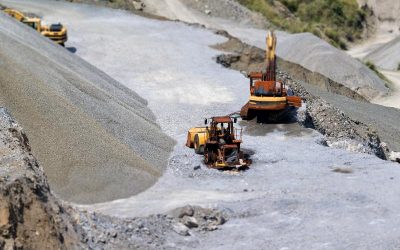
• Excavation and trenching: This step clears the site, levels the base, and prepares utility or septic trenching where needed.
• Drainage planning: Water needs a path away from the slab to prevent pooling, erosion, or future cracking.
Excavation-first contractors who handle this stage directly, rather than outsourcing it, tend to have more control over how the final concrete performs over time.
Forming, Reinforcement, and the Pour
Once the ground is prepared, the project moves into forming and placement. This stage sets the shape and strength of the finished surface.
1. Formwork installation establishes the exact dimensions and slope of the driveway, patio, or slab.
2. Reinforcement placement (rebar or wire mesh) adds tensile strength, particularly important for driveways that will carry vehicle loads.
3. Concrete placement and finishing includes pouring, screeding, and surface finishing such as broom, stamped, or stained textures.
Homeowners in Georgetown and surrounding Williamson County communities should confirm with their contractor whether a driveway apron ties into a county or city road, since changes to an access point can trigger separate review. Projects inside city limits or an extraterritorial jurisdiction may fall under different rules than those in unincorporated county areas, so verifying jurisdiction early avoids delays. The Williamson County construction permits page outlines which departments handle permitting questions for projects in the area.
Curing and Project Timeline
Curing is the step most likely to be rushed by inexperienced crews, yet it determines long-term durability more than almost any other phase.
| Stage | Typical Timeframe | What It Means for Homeowners |
| Foot traffic safe | 24 to 48 hours | Avoid walking on fresh concrete sooner than this |
| Light vehicle use | About 7 days | Cars can use a new driveway at roughly 70 percent strength |
| Full structural strength | 28 days | Heavy vehicles or equipment should wait until this point |
According to the American Concrete Institute, curing guidance under ACI 308R covers the methods and monitoring needed to maintain moisture and temperature during this process. Standard Type I or Type II cement mixes generally require a minimum moist-curing period of about 7 days above 50 degrees Fahrenheit before reaching light-use strength, with full design strength following at 28 days. Hot Central Texas summers can accelerate surface drying, which is why experienced crews adjust moisture control methods during peak heat rather than following a fixed schedule regardless of weather.
Choosing a Contractor for a New Residential Pour
A few practical questions help homeowners evaluate any concrete contractor before signing a contract:
• Does the crew handle excavation and grading directly, or is that work subcontracted separately?
• What is the plan for soil compaction given Central Texas clay conditions?
• How is curing time communicated, and what is the timeline before vehicles or furniture can be placed on the new surface?
• Is the service area confirmed for the specific property location, including unincorporated county versus city jurisdiction?
Rusty Crain Concrete & Excavation lists residential driveways, patios, foundations, and related excavation work among its services for the Georgetown area, with the owner noting direct, hands-on involvement in each project rather than handing work off to a separate crew.
Frequently Asked Questions
How long does a typical residential concrete driveway take from start to finish in Georgetown, TX? Timelines vary by project size and weather, but most driveway pours involve several days for site prep and forming, one day for the pour itself, and a curing period of about 7 days before light vehicle use and 28 days for full strength.
Does Georgetown area soil affect how concrete is installed? Central Texas is known for expansive clay soils, which is why proper excavation, compaction, and drainage planning are treated as essential steps rather than optional add-ons before any pour begins.
Do I need a permit for a new driveway or patio in Williamson County? Permit requirements depend on whether the property sits inside city limits, an extraterritorial jurisdiction, or unincorporated county land, so it is worth confirming with the relevant local department before work begins.
What finishes are available for a residential concrete patio or driveway? Common options include standard broom finishes, stamped patterns, and stained or scored decorative concrete, depending on the look and budget a homeowner wants.
Planning a new driveway, patio, or foundation pour in Georgetown starts with understanding site conditions, realistic curing timelines, and local permitting rules before any concrete is ordered. Homeowners who ask detailed questions about excavation, soil compaction, and curing schedules are better positioned to avoid costly repairs later. For residents weighing options for an upcoming residential pour, reviewing a contractor’s documented process and service area, such as the one listed for Rusty Crain Concrete & Excavation, offers a useful starting point for comparison before requesting a site visit.