Quick take:
-
Pool installation timelines often slip because of permitting, soil conditions, and weather delays rather than the construction itself.
-
Working with an experienced local contractor who manages design, permits, and construction reduces the most common setbacks.
-
Plan safety barriers and code compliance early, not after the pool is finished.
Homeowners planning a new pool typically run into delays and cost surprises tied to permitting, site conditions, and contractor coordination rather than the actual digging and construction work. Understanding these common obstacles before signing a contract helps set realistic expectations and avoid budget overruns.
Anyone researching swimming pool installation in Columbus, OH will find that most project delays trace back to a handful of recurring issues: permit processing times, unpredictable Ohio soil and groundwater, and communication gaps between homeowner and builder. A contractor who guides you from initial inquiry and design through permitting and construction can usually absorb much of that friction before it becomes a homeowner’s problem.
Permitting and Site Preparation Hurdles
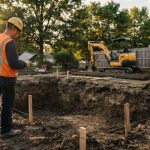
Permit delays are one of the most predictable bottlenecks in residential pool construction. Columbus-area municipalities require approvals before excavation begins, and missing paperwork or incomplete plans can stall a project for weeks.
Common site-related challenges include:
-
Unstable or rocky soil requiring additional excavation work
-
Underground utility lines that must be located before digging
-
Drainage issues that affect pool placement and grading
-
Setback requirements that limit where a pool can be built relative to property lines
A builder who manages every step of the swimming pool installation process, from initial planning and design to permits and final construction, is better positioned to catch these issues during the design phase instead of after excavation starts. This upfront coordination is often the difference between a project that stays on schedule and one that stretches into a second season.
Design and Budget Mismatches
A frequent source of frustration is a gap between what a homeowner envisions and what their budget or yard size can actually support. Custom curves, sun ledges, and tanning shelves all add cost and construction time, so aligning design ambitions with realistic numbers early prevents mid-project redesigns.
|
Challenge |
Typical Cause |
Practical Solution |
|
Budget overruns |
Underestimating decking, fencing, or equipment costs |
Request itemized estimates before signing |
|
Design changes mid-build |
Unclear initial consultation |
Use 3D or CAD-based design review upfront |
|
Space constraints |
Pool size chosen before yard assessment |
Have the contractor assess available space first |
|
Feature add-ons |
Lighting, water features added later |
Decide on features during the design phase |
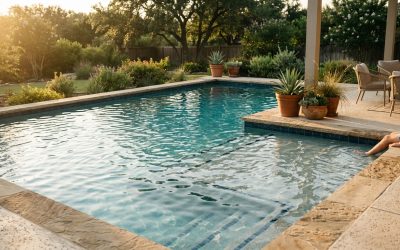
Builders who explore example pool design options, from custom curves to expansive sun ledges, and design luxurious outdoor living spaces to suit your needs, not just pools, can help homeowners visualize the finished project before committing to a layout, reducing the odds of costly revisions once construction is underway.
Safety Compliance and Long-Term Durability
Safety barrier requirements are frequently overlooked until late in the project, yet they are one of the most important parts of pool ownership. According to the CDC’s guidelines on healthy and safe swimming, drowning remains a leading cause of injury death for young children, which is why fencing, self-latching gates, and barrier height requirements should be part of the planning conversation from day one rather than an afterthought.
Durability concerns are the other long-term issue homeowners raise. The materials chosen for shell construction, decking, and filtration directly affect how long a pool performs well, and the lifespan depends on many factors, including materials, maintenance, and installation. Choosing quality materials during the build phase, rather than retrofitting later, is usually the more cost-effective path.
Steps that reduce long-term risk:
-
Confirm fencing and gate specifications meet local code before construction finishes
-
Select decking and shell materials rated for regional freeze-thaw cycles
-
Schedule a walkthrough of filtration and equipment operation before final sign-off
-
Keep maintenance records from day one to support warranty claims
Frequently Asked Questions
What causes the most delays in pool installation projects? Permit processing, soil conditions, and weather are the most common causes of delay, since excavation and concrete work depend heavily on dry, stable ground conditions.
How can homeowners avoid budget surprises during construction? Requesting an itemized estimate that separates excavation, shell construction, decking, and add-on features helps homeowners see where costs concentrate before work begins.
Is pool fencing required by law in Ohio? Barrier and fencing requirements vary by municipality, so homeowners should confirm local code requirements early in the design process, not after construction is complete.
Can landscaping and decking be added after the pool is finished? Yes, though planning these elements during the initial design phase typically produces a more cohesive layout and can reduce the need for follow-up construction work.
Choosing a contractor who understands local permitting, soil conditions, and safety code requirements remains the most reliable way to avoid the setbacks that commonly derail pool projects. For homeowners in the Columbus area weighing their options, Backyard Oasis Pools, LLC offers a useful starting point for understanding what a well-managed installation process looks like from design through final construction.